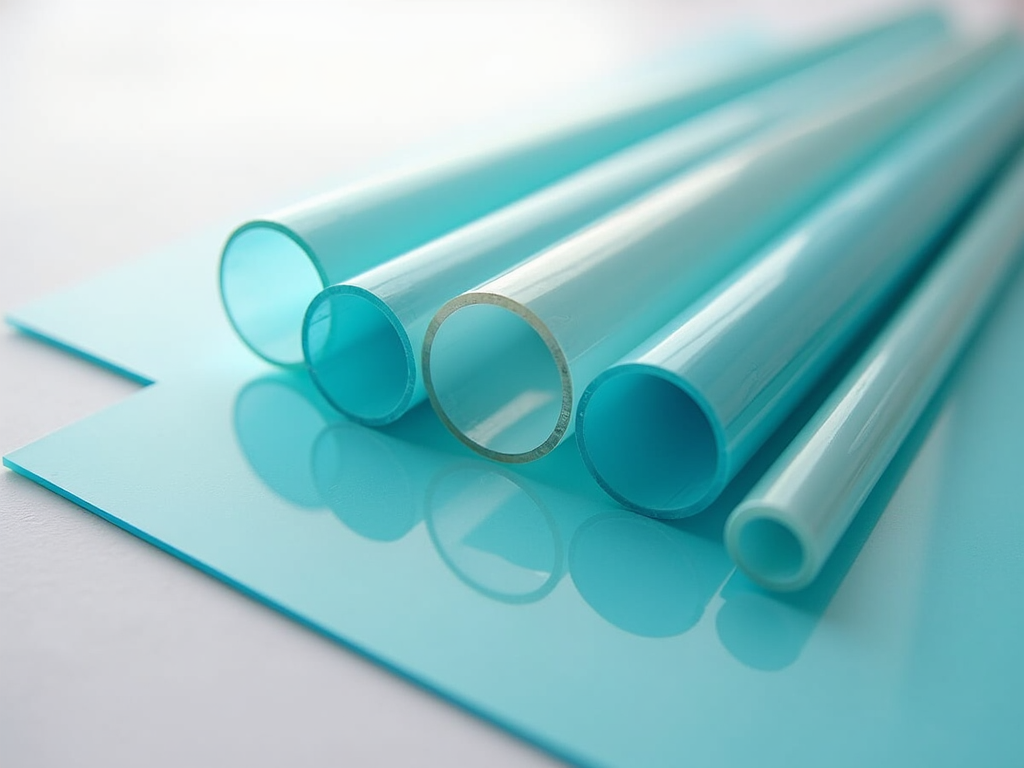
Time to Replace That Metal Component? Plastic Might Be the Upgrade You Need
Metal has long been the go-to for industrial parts. It’s strong, familiar, and has a reputation for getting the job done. But here’s the thing: just because it’s always been used doesn’t mean it’s still the best option.
If you’re working with components that face corrosion, wear, or are just too heavy for your application, it’s worth considering a switch. Plastics have come a long way in the industrial world, and depending on the use case, they can seriously outperform traditional materials.
Why People Are Swapping Metal for Plastic
There isn’t one single reason. It usually comes down to a mix of performance, longevity, and cost. Here’s where plastic starts to pull ahead:
- Weight savings – Plastic is significantly lighter than most metals, which is a huge advantage in industries like automotive, aerospace, and logistics.
- No corrosion issues – Unlike metal, plastic doesn’t rust. That means fewer replacements and less maintenance, especially in wet or chemical-prone environments.
- Lower production costs – Plastic can often be moulded in a single process, reducing machining and assembly time.
- Noise and vibration reduction – In machines or vehicles, plastics help reduce operational noise thanks to better damping.
- Electrical insulation – For components near electronics, plastic offers built-in insulating properties.
None of that means plastic is always better. But in the right conditions? It’s a serious contender.
It’s Not Just “Plastic”
The word “plastic” might make you think of something cheap or flimsy. That’s not what we’re talking about here. Industrial-grade plastics are engineered for strength, temperature resistance, and durability. We’re talking about materials used in medical devices, aircraft, conveyor systems, and industrial machinery. These aren’t basic consumer plastics—they’re purpose-built.
And the best part? You’re not stuck with one type. There’s a wide range of plastics out there, each with its own unique properties. Some are built for heat resistance. Others can take a serious beating without cracking. Some are perfect for food processing environments where hygiene is critical. This is where industrial plastic fabricators come in; they can guide you on which material suits your exact needs and build parts to match.
When Plastic Is the Better Choice
It’s not about replacing metal across the board. It’s about knowing when plastic makes more sense. Here are some examples of situations where plastic wins:
Components exposed to chemicals
Chemical processing environments are tough on metal. Plastics like PTFE or polypropylene handle chemical exposure much better and last longer without corroding.
Parts that move – a lot
Gears, bushings, bearings—moving parts benefit from self-lubricating plastics. Less friction means less wear and tear, and in many cases, no need for external lubrication.
High-moisture areas
Environments with high humidity, steam, or direct water contact (think food production or water treatment) are where plastics shine. They don’t swell, rust, or degrade like metal.
Lightweighting goals
In transport or machinery, every kilo counts. Plastic parts can drastically reduce overall weight, improving efficiency without sacrificing strength.
But What About Strength?
A valid concern. Plastics don’t always match metals in sheer tensile strength. But many applications don’t require maximum load-bearing.
The question is: does the part really need to be metal? In a lot of cases, the answer is no.
Advancements in reinforced plastics, such as those with fibreglass or carbon fibre, have pushed performance levels far beyond what most expect. These materials hold their shape under load, resist impact, and can function in tough environments.
The Cost Conversation
Upfront, plastic can seem cheaper, and in many cases, it is. But that’s not always the whole story.
What matters more is the total lifecycle cost. Consider this:
- Less maintenance
- Fewer replacements
- Reduced machine downtime
- Easier installation
Those factors add up. So even if the initial cost is similar, plastic often comes out ahead long-term.
Design Freedom = Better Functionality
Another underrated benefit of plastic? Design flexibility. With metals, you’re often limited by machining constraints. But plastics can be injection moulded into complex shapes, integrating multiple features into one part. That means fewer joins, fewer fasteners, and better performance from a single component.
This can lead to simplified assemblies, smaller footprints, and even new design possibilities that just weren’t feasible with metal.
What to Keep in Mind Before Switching
Not every plastic suits every purpose. And not every application will benefit from ditching metal. Before making the switch, ask:
What kind of loads will the part face?
Is it exposed to heat or chemicals?
Does it need to be food-grade or medical-grade?
Are there regulatory requirements?
Is there vibration, wear, or friction involved?
Working with experienced fabricators helps here. They’ll match the plastic type to your real-world conditions and make sure the part is up to the task.
Time to Rethink That Metal Part?
If you’re relying on metal simply because it’s what you’ve always used, it might be worth stepping back.
Industrial plastics are engineered to perform, and in many applications, they outperform. Whether you’re looking to reduce weight, cut costs, or solve persistent issues with corrosion or wear, plastic could be the smart upgrade.