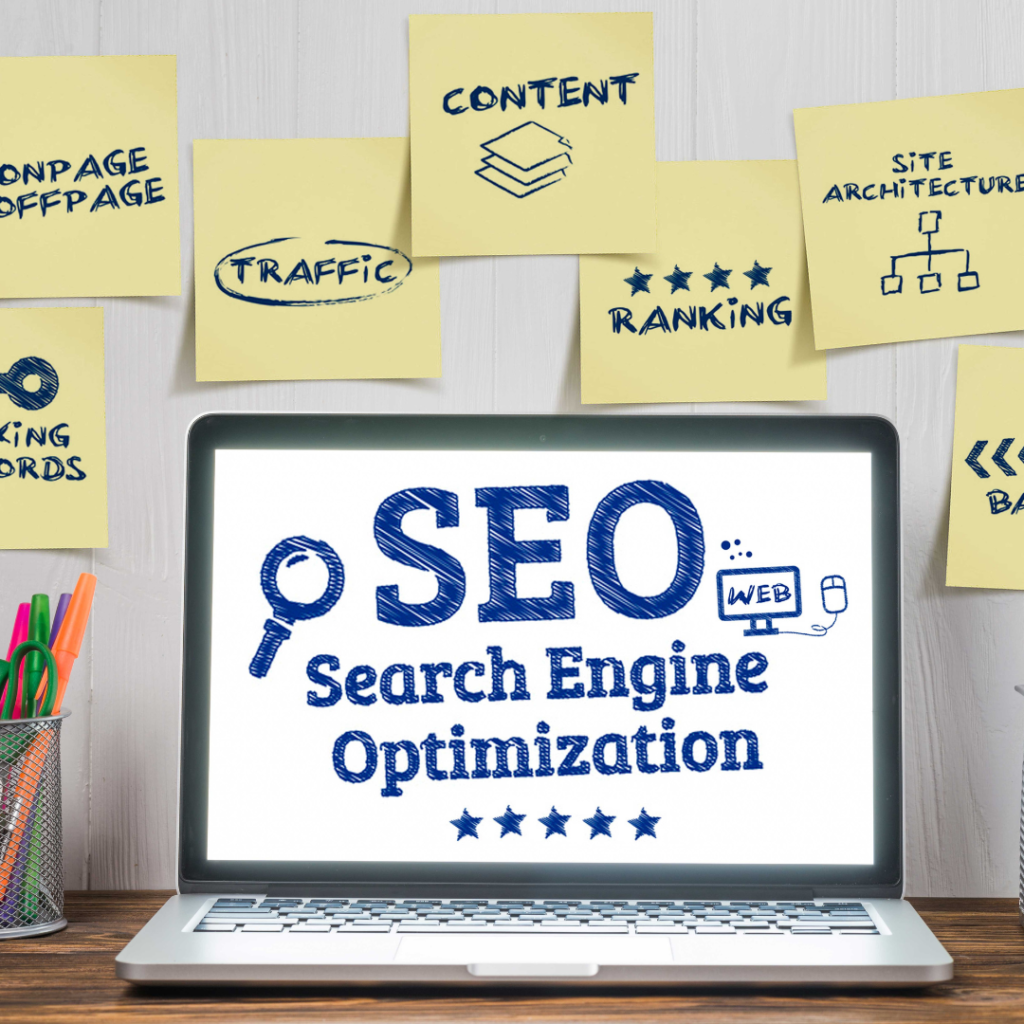
Technical SEO Checklist: Essential Steps for Optimizing Your Website’s Performance
A comprehensive technical SEO checklist is essential for optimizing a website’s performance and search engine visibility. By following a well-structured checklist, webmasters can address critical issues that may hinder their site’s ranking and user experience. Understanding the key components of technical SEO is the first step toward enhancing online presence.
Many website owners overlook the technical aspects, focusing primarily on content and backlinks. The truth is, that without solid technical foundations, even the best content can struggle to gain traction. Adopting a systematic approach ensures that all areas, such as site speed, mobile-friendliness, and crawlability, receive the attention they deserve.
Exploring the nuances of technical SEO can seem daunting, but breaking it down into manageable steps simplifies the process. Each item on the checklist serves a vital role in boosting search engine rankings and improving user interactions. With focused attention on these aspects, websites can achieve better visibility and performance in a competitive digital landscape.
Setting the Foundation with Technical SEO Essentials
Technical SEO establishes a strong framework for a website, enhancing its visibility and performance in search engines. Focusing on elements like security, site structure, and indexing can significantly impact a site’s effectiveness.
Understanding Technical SEO
Technical SEO encompasses the strategies that improve a website’s technical aspects. It primarily focuses on enhancing crawling and indexing processes to ensure search engines can effectively analyze a site. This involves optimizing elements such as site speed, mobile-friendliness, and structured data. An effective technical SEO strategy includes conducting regular SEO audits. These audits identify issues that could hinder performance. Key areas of focus include site architecture, URL structure, and ensuring the correct use of canonical tags to avoid duplicate content problems.
While these technical aspects are crucial, mastering them requires deep expertise and constant vigilance. Many businesses find that the intricacies of comprehensive technical SEO audits, site architecture optimization, and ensuring proper crawlability can be overwhelming. For those seeking to navigate these complex challenges effectively, engaging a specialized technical SEO Freelancer can provide the necessary guidance and hands-on support. Such professionals are adept at identifying hidden issues and implementing actionable solutions to significantly enhance a website’s search engine performance and user experience, ultimately improving visibility and user satisfaction.
Importance of a Secure Website
A secure website is crucial for both user trust and search engine rankings. Implementing an SSL certificate encrypts user data, enhancing security. Search engines like Google prioritize secure sites, which can significantly affect their positions on search engine results pages (SERPs). Using HTTPS signals to users that a website is trustworthy. It also improves a site’s credibility, leading to increased traffic and lower bounce rates. Therefore, prioritizing website security is integral to a successful technical SEO strategy.
Laying Out the Site Structure
An organized site structure improves user navigation and enhances SEO. Clear and logical hierarchies help search engines understand a site’s content better. Effective site structure employs subdirectories and subdomains where appropriate. Using a flat architecture minimizes clicks needed to access content. This can improve indexing and user experience. A well-organized structure allows for better crawlability, ensuring that all important pages are prioritized during the crawling process.
For larger sites, maintaining a clean structure becomes more difficult when dynamic filters are introduced. E-commerce platforms often generate thousands of extra pages when visitors filter products by size or color. A comprehensive faceted navigation SEO guide provides strategies to handle these complex URL structures. These methods help search bots focus on your primary landing pages.
Mastering Domain and URL Structure
A well-thought-out domain and URL structure significantly influence users and search engines. Choosing a relevant domain name, such as a .me domain, enhances branding while establishing contextual relevance for SEO.
URLs should be concise, descriptive, and include target keywords. Clean URLs improve usability and can affect click-through rates in SERPs. Additionally, employing consistent and logical URL structures supports canonicalization, aiding in duplicate content management through proper canonical tags.
Effective Use of Robots.txt File
The robots.txt file controls how search engines crawl a website. Disallowing specific pages or directories can prevent search engines from indexing content that may not be beneficial for SEO. Proper configuration ensures that only relevant content is accessible for crawling. Including directives like User-agent and Allow or Disallow helps tailor crawling preferences. It’s essential to ensure that the robots.txt file does not unintentionally block important pages. Regular review of this file is necessary as site content changes over time.
Exploring the Role of Sitemaps
Sitemaps serve as a roadmap for search engines to discover and index a website’s content. An XML sitemap lists all relevant pages and provides metadata about each one. This facilitates better indexing and helps search engines understand the site’s structure. Regular updates to the sitemap can reflect changes in site content, improving crawl efficiency. A well-structured sitemap enhances the visibility of both main pages and important subpages. Including the correct canonical URLs within the sitemap further assists search engines in managing duplicate content.
Prioritizing User Experience and Performance
Focusing on user experience and performance is essential for SEO success. Emphasizing mobile usability, page speed, and core web vitals can significantly enhance a website’s effectiveness. Now, for businesses that aim to improve how users interact with their site, the support of an experienced SEO specialist can help ensure both speed and usability are prioritized. Such expertise can allow websites to not only perform better technically but also provide a smoother, more engaging experience for visitors.
Mobile SEO: Creating a Mobile-Friendly Website
A mobile-friendly website is crucial in today’s digital landscape. Mobile SEO optimizes website functionality on mobile devices, ensuring a seamless user experience across various screen sizes.
Key aspects include:
- Responsive Design: Websites must adjust to different screen resolutions. This encourages higher engagement rates.
- Touch-Friendly Navigation: Menus and buttons should be large and easily accessible. This adaptability reduces frustration for users.
- Content Readability: Text should be legible without zoom. This will prevent users from abandoning the site due to difficulty in reading.
Prioritizing these factors improves mobile usability and positively impacts search rankings.
Improving Page Loading Speed
Page loading speed is a vital component of user experience. A delay of even a few seconds can lead to increased bounce rates and reduced user satisfaction.
To improve speed:
- Optimize Images: Compress files without sacrificing quality. This reduces load times.
- Minify CSS and JavaScript: Eliminate unnecessary characters. This makes the files smaller and loads faster.
- Leverage Browser Caching: Store static resources on a user’s device. This minimizes loading time on repeat visits.
Monitoring site speed with tools like Google PageSpeed Insights can pinpoint areas needing improvement.
Core Web Vitals: Optimizing User Experience
Core web vitals assess specific aspects of the user experience, mainly focusing on loading performance, interactivity, and visual stability. Improving these scores is vital for securing better search engine rankings.
Core metrics to monitor include:
- Largest Contentful Paint (LCP): Measures loading performance. Aim for an LCP of less than 2.5 seconds for optimal experience.
- First Input Delay (FID): Assesses interactivity. Keeping FID under 100 milliseconds enhances responsiveness.
- Cumulative Layout Shift (CLS): Evaluates visual stability. A CLS score of less than 0.1 is recommended to prevent layout shifts during loading.
By targeting these core web vitals, businesses can ensure that their websites provide an efficient and enjoyable experience for users.
Enhancing Visibility with On-Page and Technical Optimizations
Effective on-page and technical SEO optimizations play a crucial role in increasing a website’s visibility in search engine results. Implementing targeted strategies can enhance content relevance, improve user experience, and solidify technical credibility.
Optimizing Content with Target Keywords
Target keywords are essential for driving organic traffic. Conducting thorough keyword research using tools like SEMrush or Google’s Keyword Planner helps identify relevant terms that potential visitors use.
Content should naturally incorporate these keywords into titles, headings, and body text without sacrificing readability. Utilizing variations and related terms can enhance the content’s reach.
Key practices include:
- Incorporating keywords in the first 100 words.
- Using long-tail keywords to target specific queries.
- Maintaining keyword density of around 1-2% for optimal results.
Keeping content updated ensures it stays relevant as search trends evolve.
Incorporating Schema Markup for Enhanced SERPs
Schema markup improves search engine understanding of web content, leading to enhanced visibility in search results. By adding structured data to a website, players can provide search engines with more accurate information about their content.
This results in rich snippets, which can include ratings, addresses, and more. Implementing schema can improve click-through rates significantly.
Types of schema to consider:
- Article Schema: For blog posts and articles.
- Product Schema: For eCommerce items.
- Local Business Schema: For businesses targeting local customers.
Testing schema implementation with Google’s Structured Data Testing Tool ensures correct application and visibility benefits.
Using Canonical Tags to Prevent Duplicate Content
Duplicate content can confuse search engines, leading to visibility issues. To address this, canonical tags should be implemented to indicate the preferred version of a webpage. This helps consolidate link signals and directs traffic to the main page. Implementing canonical tags is especially vital for eCommerce sites with variations of the same product.
Steps to implement canonical tags:
- Identify duplicate content.
- Choose the master page that should receive all the SEO benefits.
- Add the canonical tag in the HTML header of duplicate pages.
Monitoring through tools like Google Search Console can verify proper canonicalization.
Enhancing Internal Linking Strategies
Internal linking strengthens site architecture and improves user experience by guiding visitors to related content. A solid internal linking strategy distributes page authority effectively throughout a site. This practice assists search engines in crawling and indexing pages. Notably, optimization of anchor text is vital for enhancing relevance.
Effective strategies include:
- Linking relevant content: Ensure links are contextually relevant.
- Using descriptive anchor text: This improves both usability and SEO.
- Maintaining a clear hierarchy: Organize internal links by importance.
Regular audits can identify opportunities for internal linking enhancements and fix broken links.
Beyond fixing broken links, teams often struggle to resource audits and implement technical fixes at scale. When execution becomes a bottleneck, partnering with a trusted provider can streamline remediation and reporting; see RankYak’s guide to white label SEO services for practical considerations on integration and handoffs.
A white‑label partner can help standardise audit outputs, speed up crawlability and canonical fixes, and ensure consistent internal linking improvements. That lets in‑house teams focus on strategy while technical debt is handled reliably.
Applying SEO Audits for Continuous Improvement
Regular SEO audits are crucial for identifying site errors and optimizing performance. These audits can uncover various issues, including site speed problems, broken links, and insufficient metadata, which could hinder visibility. Using tools like Yoast SEO or SEMrush enables users to evaluate on-page SEO effectively. Auditors should check the following aspects:
- Site speed: Analyze loading times and address slow pages.
- HTTPS implementation: Ensure secure connections are in place.
- Mobile-friendliness: Confirm compatibility with mobile devices.
Routine SEO audits provide valuable insights, ensuring the site maintains optimal performance and visibility in search engine results.
Harnessing the Power of Analytics and Tools
Effective technical SEO relies heavily on data-driven insights. Using the right tools enables website owners to track performance and optimize their sites for better search rankings. The following subsections highlight key tools that aid in achieving SEO goals.
Tracking Performance with Google Analytics
Google Analytics is essential for understanding user behavior. It provides detailed insights into website traffic, including metrics such as bounce rate, session duration, and user demographics. By setting up goals, users can track conversions and understand which pages drive organic traffic.
In WordPress, integrating Google Analytics is straightforward, especially with plugins like Yoast SEO. This integration allows tracking of popular content and helps identify high-performing keywords. Users can refine their strategies based on which traffic sources yield the best results. Additionally, Google Analytics can help assess mobile usability. With mobile traffic increasingly dominating web visits, monitoring mobile user engagement is crucial.
Utilizing Bing Webmaster Tools
Bing Webmaster Tools is another valuable resource for SEO analysis. It offers features like a URL inspection tool, which helps identify indexing issues. This tool ensures that all relevant pages are indexed, allowing for better visibility in search results. Users can also analyze site performance metrics such as click-through rates and impressions. This data allows for competitive analysis and helps identify areas for improvement. The keyword research tool within Bing Webmaster Tools assists in uncovering relevant keywords that may resonate with the target audience. This insight can enhance content optimization efforts.
Improving SEO with Pagespeed Insights
Page speed significantly impacts user experience and search rankings. Google PageSpeed Insights evaluates how quickly a page loads and provides actionable recommendations. This tool analyzes both mobile and desktop versions, offering a comprehensive look at performance.
Key areas for improvement often include image optimization, script minification, and reducing server response times. Addressing these factors can lead to enhanced user engagement and lower bounce rates. By regularly monitoring page speed, website owners can ensure their pages remain competitive. As search intent shifts, maintaining optimal performance is vital for attracting organic traffic.
Conducting Site Audits with Screaming Frog
Screaming Frog is a powerful tool for conducting thorough site audits. It crawls websites, providing insights into key SEO elements such as broken links, duplicate content, and meta tags. By generating a comprehensive report, users can identify critical issues affecting their site’s indexability. This tool allows for a detailed analysis of on-page SEO, enabling website owners to make informed adjustments. Screaming Frog’s integration with Google Search Console enhances its functionality. Users can correlate audit findings with search console data for a holistic view of site performance.
Regular site audits are crucial for maintaining a robust SEO strategy. By leveraging tools like Screaming Frog, website owners can stay ahead of their competitors and optimize effectively for search intent.