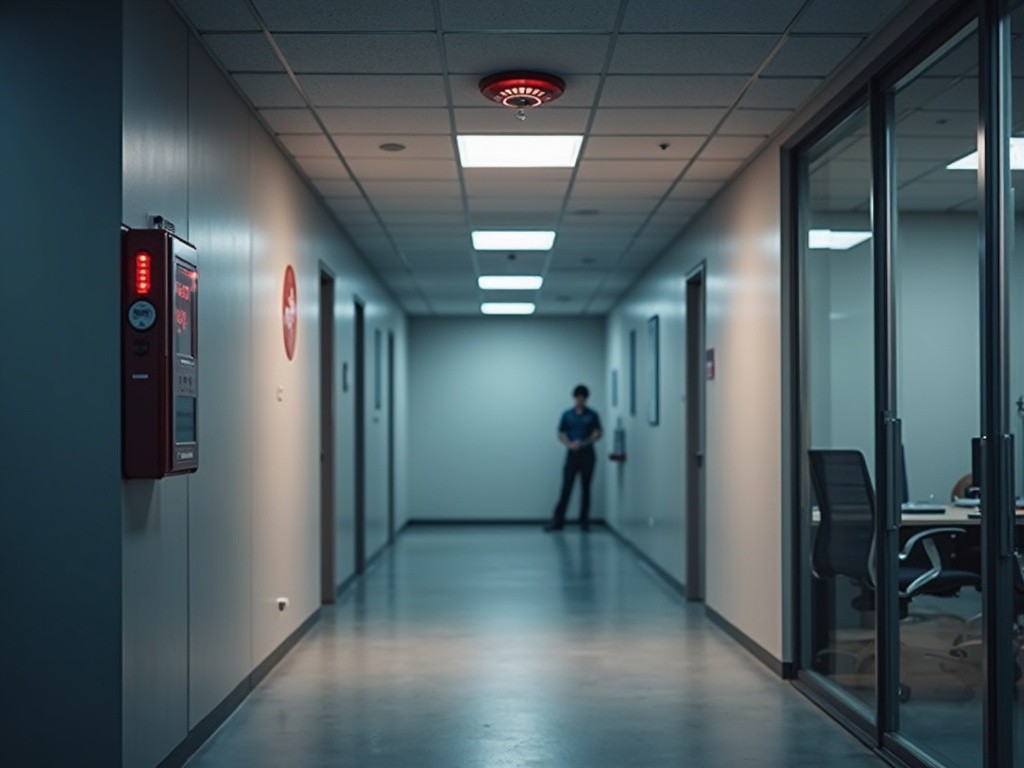
Small Building, Big Safety: Picking the Right Alarm for Your Space
A small shop, studio, clinic, or block of flats might feel easy to watch. Doors are close by, and there are fewer rooms. That can give a false sense of safety. Fire can move fast in tight areas, and smoke can fill a hallway in seconds. A good alarm system buys time. It warns early, guides people out, and helps the right people act without panic. The goal is simple: everyone gets out quickly, and damage stays low.
Start with your space, not the gadgets
Before looking at brands or shiny control panels, walk the building. Note where people gather, where they sleep, and where heat or smoke could start. Kitchens, laundry rooms, plant rooms, storage with cardboard, and areas with chargers or batteries need extra care. Check how sound travels. Thick doors, busy roads, and fans can make alarm tones hard to hear. Think about who uses the space. Children, older adults, or anyone who might not hear well will need clearer alerts or flashing lights.
Once the layout is clear, compare options from trusted providers of Fire Alarm Systems. This keeps the search focused on setups that match the size and use of the building, instead of getting lost in features that do not help.
What a good alarm actually does
A solid system does four things well. First, it detects danger early without crying wolf all the time. Second, it makes a clear sound and, if needed, shows bright lights so no one misses the warning. Third, it points people to the exits with signs, voice messages, or staff prompts. Fourth, it helps the team check where the issue started so they can help others and guide the fire crew. In a small site, speed and clarity matter more than fancy extras.
Choosing the right detectors for each room
Not every detector belongs in every room. Smoke sensors come in two main types. Photoelectric sensors spot smoky, slow fires, such as a cable smoldering behind a desk. Ionization sensors react faster to fast, flaming fires, but they can be touchy near kitchens. Many small buildings do well with photoelectric sensors in most areas and heat sensors in kitchens or garages. Heat sensors look for a sharp rise in temperature or a set high point. Multi-sensor units combine smoke and heat checks to reduce false alarms. The mix should match real risks in each room, not just a one-size-fits-all plan.
Panels, zones, and clear alerts
Even small buildings benefit from zoning. A “zone” is a group of devices in one area, such as “Ground Floor Corridor” or “Flat 2 Kitchen.” When the panel shows a zone in alarm, responders know where to go first. For sounders, make sure the tone is loud enough in every room, even with doors shut and fans running. Where people may not hear well, add beacons that flash. Voice messages help in busy shops or schools, because short plain speech gets attention faster than a tone alone.
Wired or wireless: pick what fits the building
Wired systems are steady and do not rely on batteries for the detectors, though they still need power backups in the panel. They suit new builds or places where running cable is easy. Wireless systems avoid drilling and can be faster to install in older sites or listed buildings. They run on batteries in the devices, so a maintenance plan is key. Many small sites choose a hybrid setup. Main routes use wired sounders and call points, while hard-to-reach rooms use wireless detectors. The best choice is the one that gives full coverage with the least mess and downtime.
Reducing false alarms without losing speed
False alarms waste time and money. They also make people ignore real alerts. Good design prevents many of them. Keep smoke sensors out of steamy kitchens and dusty workshops. Use heat sensors there instead. Place detectors a bit away from showers, kettles, and toasters. Keep vents and ceiling fans in mind, since strong air flow can move smoke away from a sensor. Regular cleaning helps too. Dust in detectors can fool them. If errors keep happening, check the event log on the panel and adjust the device type or location.
Meeting rules and keeping records simple
Even a small site needs records that show the system is tested and working. Keep a logbook near the panel. Write down weekly sound tests and any faults shown on the screen. Replace batteries on time if devices are wireless. Arrange a yearly service with a trained engineer. Drills matter as well. Make sure everyone knows the nearest exit and the outside spot to wait. For guests or customers, clear signs and staff guidance are key. Good habits often matter more than any extra feature on the panel.
Evacuation for people who need more help
Think about people who move slowly, use wheelchairs, or cannot hear an alarm tone. Visual beacons and vibrating pads for sleeping rooms can help. Ramps, wider routes, and doors that stay clear make exit time shorter. If a lift cannot be used in a fire, make sure there is a safe waiting area and a plan to assist. In mixed-use buildings, coordinate with neighbors so no route gets blocked. Simple tools such as door closers and good lighting make a real difference.
Budget the smart way
The cheapest box on day one can cost more over five years if parts fail or service calls add up. When comparing quotes, look at the total cost across the life of the system. That includes the survey, design, install, commissioning, staff training, spares, batteries, and routine service. Ask how easy it is to add a device later if the space changes. Check that common spare parts are widely available. Clear pricing and strong support save stress later.
From plan to handover: what to expect
A good install follows a clear path. It starts with a survey and a simple drawing that marks zones, detector types, sounders, and call points. After agreement, cabling or wireless bases go in, followed by the devices and the panel. Then comes testing, both at the device and the system level. Final steps include programming zones and messages, checking sound levels, and training the team on routine tests and faults. Ask for “as-fitted” drawings, the user manual, the logbook, and training notes at handover. Store them near the panel where anyone responsible can find them fast.
Daily checks that keep the system ready
Small habits keep the system dependable. Look at the panel every day to confirm the power light is on and no fault light shows. Test one manual call point each week, rotating through different zones so every part gets tested over time. Walk the route to make sure doors open, exits are clear, and signs are in place. Once a month, use test spray or a test magnet—if suitable for the device—to confirm detectors still respond. Record each check in the logbook. If anything seems off, call the service team rather than silencing faults and forgetting them.
When the building changes, update the system
Moves and refits happen. A new wall, a new kitchen, or a new storage rack can block smoke flow or muffle sound. After any change, review the plan and adjust device types and locations. Add sounders if noise levels rise, such as when a new machine goes in. If new tenants arrive with different risks—say, a yoga studio becomes a café—review the layout and the evacuation plan. The alarm should match how the space is used today, not last year.
Key takeaways and next steps
Small buildings still face real fire risk, but the right alarm system makes safety simple. Match device types to each room, zone the site for fast response, and choose wired, wireless, or a mix that fits the building. Keep records, run quick tests, and train the team so no one freezes in a real event. As the space changes, update the layout and keep exits clear. With a clear plan and steady upkeep, a small site can be safe, calm, and ready every day. If questions come up—about detectors, zones, or weekly tests—bring them forward and keep the safety conversation going.