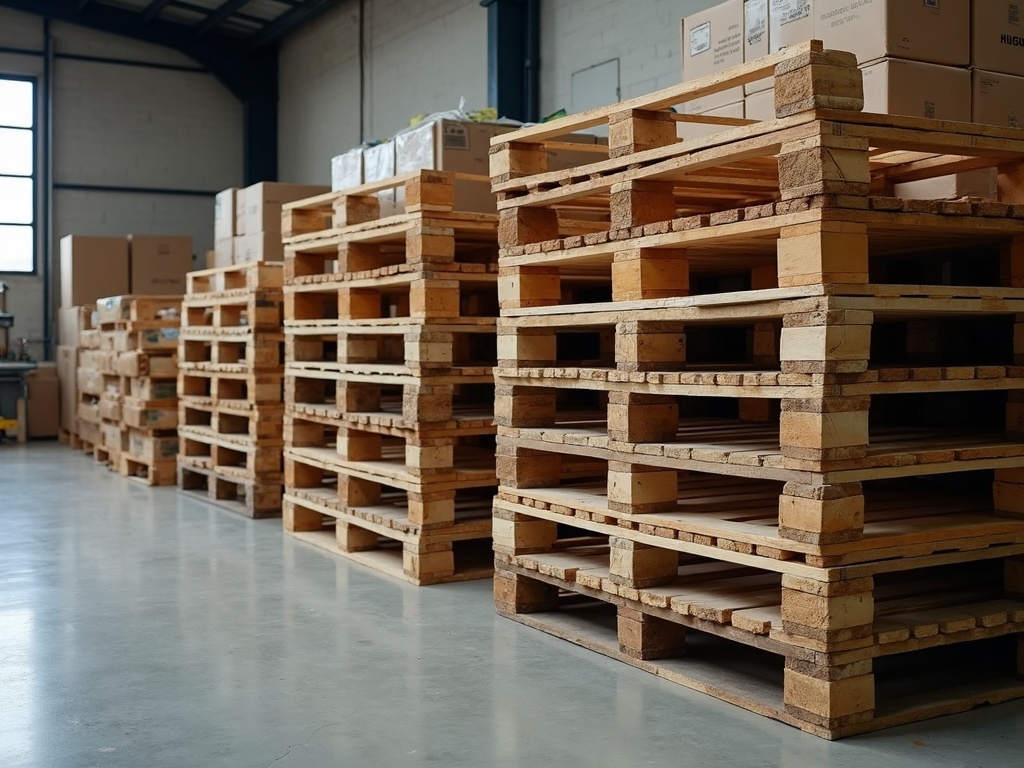
Smart Savings: Why Used Pallets Make Sense for Small Jobs
Small jobs do not need big budgets. A garage clean-up, a market stall, or a short move across town can run well with simple gear. Used wooden pallets fit these plans. They lift boxes off the floor, keep things tidy, and make it easy to move items with a jack or trolley. When chosen with care, they are safe, clean, and far cheaper than new pallets.
What “used” actually means
“Used” only means the pallet has worked before. Many pallets are built strong and are checked between trips. If a top board cracks, it can be replaced. If a nail loosens, it can be fixed. Repaired pallets are sorted by size and grade so buyers know what they are getting. A sound used pallet still holds weight well and looks tidy enough for storage or short moves.
This matters for small tasks. The goal is not fancy gear; the goal is to keep items stable and off the ground without spending more than needed.
Finding clear info without the sales pitch
Pick sellers that show simple facts: size in millimetres, grade, repair notes, and a fair load rating. Searching online for a “Used Pallet in Melbourne”, or somewhere local to you, can show pages that list sizes and grades side by side. Guides and listings like that make it easier to match a pallet to the job without guesswork.
How used pallets help a tight budget
Price is the first win. Used pallets often cost far less than new ones. Those savings can pay for boxes, tape, labels, or fuel. For a one-week project, the difference may cover all packing extras. For a small business order, it may protect cash flow.
Time is the second win. Used pallets are usually in stock and ready for same-day pickup or quick delivery. New pallets may need to be built or shipped in, which adds days and cost. For short, local jobs, speed matters as much as price.
Simple safety checks that take one minute
Safety does not require long training. A short routine works:
Start with the top deck. Boards should sit flat and feel firm. Hairline marks are normal. Long cracks that run through nail lines are not. Run a hand (with a glove) across the surface to spot raised nails.
Flip the pallet to view the bottom. Check the blocks or stringers, which are the thicker parts that hold the decks together. They should not be split from top to bottom. Press on any repaired boards. They should not move under pressure.
Set the pallet on level ground and give it a small push. If it rocks or wobbles, choose another one. A steady base keeps loads safe.
Picking the right size and style
Size must fit the space and the gear. In Australia, a common size is 1165 mm by 1165 mm, which suits most forklifts and jacks. For tight rooms, utes, or car boots, a half-size or narrow pallet may be wiser. Ask for the exact load rating. Light storage needs a lower number. Heavy tools or tiles need more.
Design also plays a role:
- Stringer pallets use two or three long beams under the top deck. They are simple and strong for straight moves.
- Block pallets use solid blocks at the corners and centre. They allow lifting from four sides, which helps when space is tight.
Match the style to the way the pallet will be moved. Four-way entry helps in small or crowded spots. Two-way entry can be fine for straight loading where space is open.
When used beats new—and when new still wins
Used pallets make the most sense when cost control is key, delivery is soon, and the surface does not need to be pristine. They are ideal for storage, short hauls, market stalls, and seasonal stock. If the pallet may get scuffed during the job, paying extra for a brand-new one adds no benefit.
New pallets can be the right pick in strict hygiene zones or when a custom size is needed. They may also be better for extremely heavy loads or long trips where the pallet takes more hits. Choose the option that fits the risk, not the label.
Clean handling that prevents problems
A quick clean keeps pallets safe to touch and use. Brush off dust and loose fibres. Look for stains. Water marks are fine. Strong smells or oil stains are a warning sign; pick another pallet.
Plan each lift. Use gloves to avoid splinters. Keep fingers clear of gaps when inserting forks. Bend knees, keep the back straight, and move feet instead of twisting. Simple habits reduce injuries.
Storage habits that keep pallets in good shape
Wood lasts longer when kept dry and steady. Store pallets on flat ground. If stacking, line them up so top boards sit on solid points below. Do not stack too high in walkways; waist height is easy to check and move. Keep pallets inside or cover them with a tarp in wet weather. Damp wood can warp and weaken. Good storage means fewer repairs later.
Practical planning for small jobs
A simple plan avoids stress on the day work starts.
First, map the path from storage to the vehicle or work zone. Check door widths and turns. Make sure a trolley or pallet jack can pass. If not, choose a smaller pallet or a block style that allows easier turns.
Second, weigh the heaviest load that will sit on the pallet. Add a small buffer. Pick a pallet with a higher load rating than that number. This reduces risk if the stack ends up heavier than planned.
Third, plan your stack. Heavy items go low. Fragile items go high. Keep the centre of weight in the middle of the pallet, not near an edge. Use stretch wrap or straps so the stack moves as one piece.
Fourth, choose the right count. Two smaller pallets can be safer than one huge stack. Shorter stacks are easier to move through doors and ramps and are less likely to tip.
Common questions, answered quickly
Will used pallets break sooner?
A sound, repaired pallet can run many trips. The key is grade and load rating. Match both to the job and check the boards before use.
Are used pallets dirty?
Most reputable sellers sort and repair their stock. Pick pallets that look clean and dry. Skip any with strong smells or oil stains.
How much weight can a used pallet carry?
Load ratings vary. Light-duty pallets may hold a few hundred kilograms. Heavy-duty options can hold more. Ask for the number and do not exceed it.
Can a pallet jack lift any pallet?
A jack needs enough space for the forks. Four-way block pallets make life easier in small rooms. Stringer pallets often need a straighter approach.
A short note on the planet
Reusing wood keeps usable boards in service and reduces waste. Each extra trip spreads the impact of making that pallet across more work. For small jobs, this is a simple way to cut both cost and waste at the same time.
How to compare offers without getting lost
Keep the comparison to three items: size, grade, and load rating. Price only makes sense after those points match. If two offers use different grading terms, ask for photos or a short note on repairs made. Clear details remove surprises on the day the pallet is needed.
If delivery is part of the plan, confirm the time window and the drop-off spot. A clear path saves heavy lifting later.
Key takeaways to carry forward
Used pallets help small jobs by cutting cost, saving time, and keeping loads stable. A quick one-minute check of boards, blocks, and nails keeps safety high. Pick a size and style that fit the path and the gear on hand. Store pallets dry and flat so they last longer. Plan the route, the stack, and the count before lifting the first box. With these steps in place, a used pallet is not a compromise—it is the smart, steady choice for getting work done without spending more than needed.